
Traditional Wellness Therapy
Hijama Cupping Therapy
A time-honoured therapy, delivered with modern clinical care.
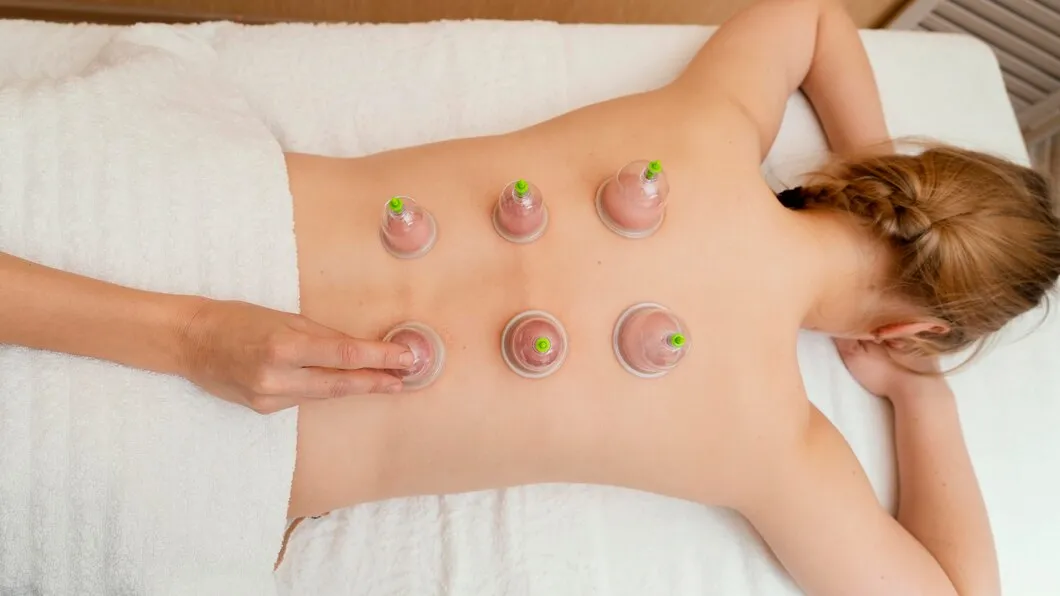
Our professionally administered Hijama treatment uses carefully placed cups to support circulation, ease muscular tension and encourage natural recovery in a calm, hygienic environment.
Treatment Journey
Our Hijama Therapy Process
Private Consultation
We discuss your concerns, health history and suitability before recommending treatment points.
Targeted Cup Placement
Cups are positioned carefully on selected areas according to your individual treatment plan.
Controlled Treatment
The therapy is performed using sterile, single-use materials and strict hygiene protocols.
Aftercare Guidance
You receive clear recovery, hydration and follow-up advice for a comfortable experience.
Hijama Cupping Therapy FAQs
Find answers to common questions about Hijama cupping therapy, treatment comfort, preparation, aftercare and suitability.
Hijama is a traditional wet cupping therapy in which cups are placed on selected areas of the body to create controlled suction. Small superficial incisions may then be made by a trained practitioner before the cups are reapplied for a short period.
Dry cupping uses suction without breaking the skin. Hijama, also known as wet cupping, includes controlled superficial incisions performed using sterile, single-use equipment. Your practitioner will explain which treatment may be suitable for you.
Most clients describe the suction as a pulling or tightening sensation. Wet cupping may cause brief, mild discomfort during the superficial incisions. Inform your practitioner immediately if you feel uncomfortable at any stage.
Stay hydrated, wear comfortable clothing and avoid arriving immediately after a heavy meal. Inform your practitioner about medications, allergies, medical conditions, pregnancy and any history of bleeding, fainting or poor wound healing.
A Hijama session commonly takes approximately 30 to 45 minutes. The exact duration depends on the number of treatment areas, your individual requirements and the practitioner’s assessment.
Keep the treated areas clean and follow your practitioner’s aftercare instructions. Stay hydrated and temporarily avoid strenuous exercise, swimming, saunas and harsh skincare products. Do not scratch or pick the treated areas.
Hijama may not be suitable for people with certain bleeding disorders, active skin infections, severe anaemia, uncontrolled medical conditions or those taking blood-thinning medication. Pregnant clients and people with ongoing health conditions should obtain medical advice before treatment.