
 Platelet-Rich Plasma Treatment
PRP Face Rejuvenation
PRP Face Rejuvenation is a minimally invasive aesthetic treatment that uses platelet-rich plasma prepared from your own blood to support skin renewal and improve the appearance of texture and radiance.
What Is PRP Face Rejuvenation?
PRP stands for Platelet-Rich Plasma. A small amount of blood is collected and processed in a centrifuge to separate and concentrate the plasma containing platelets and naturally occurring growth factors.
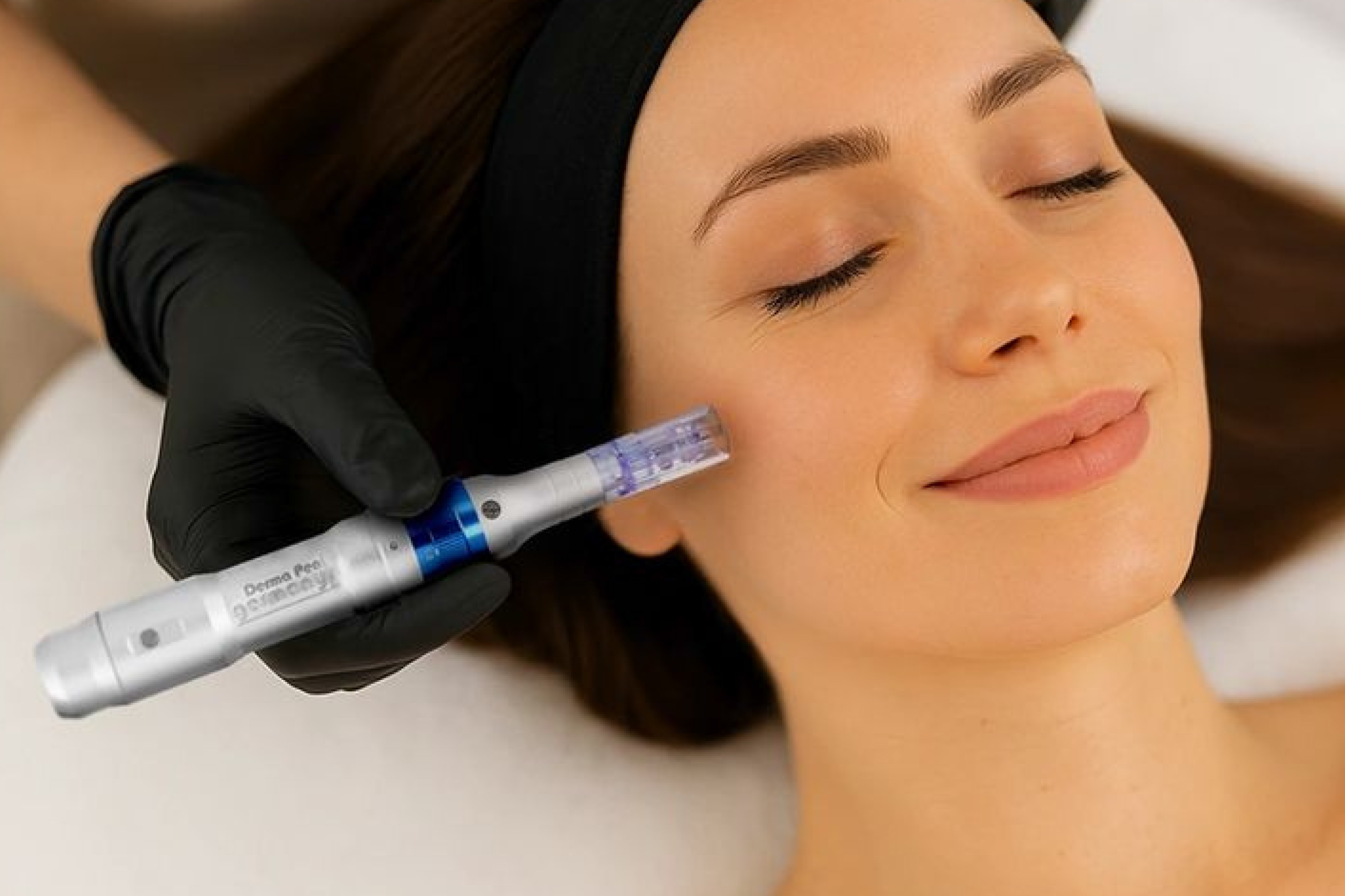
The prepared PRP is then applied to or injected into selected facial areas according to the treatment plan. It may also be combined with microneedling. The procedure is personalized according to skin condition, medical history and aesthetic goals.
Benefits of PRP Face Rejuvenation
Uses Your Own Plasma
PRP is prepared from a small sample of the client’s own blood.
Texture Improvement
May provide modest improvement in facial skin texture and overall appearance.
Skin Renewal Support
Platelet-derived factors support the skin’s natural repair and renewal response.
Personalized Treatment
Treatment areas and application methods are selected according to individual needs.
PRP Face Rejuvenation FAQs
Find answers about PRP preparation, treatment concerns, comfort, recovery, sessions and suitability.
PRP Face Rejuvenation uses platelet-rich plasma prepared from your own blood. The concentrated plasma is applied to or injected into selected areas to support the skin’s natural renewal response.
A small blood sample is collected and placed in a centrifuge. The centrifuge separates the blood components so the platelet-rich plasma can be prepared for the selected application method.
PRP may be considered for concerns such as dullness, uneven texture, early signs of ageing or the appearance of fine lines. Evidence is most supportive of modest improvement in facial skin texture.
The treatment includes a blood draw and either injections or microneedling. You may notice pinching, pressure or stinging. Temporary redness, swelling, tenderness or bruising can occur after treatment.
The recommended number of sessions depends on skin condition, treatment method and individual response. PRP may not be suitable for people with certain blood disorders, infections, medications or medical conditions, so assessment is required.