
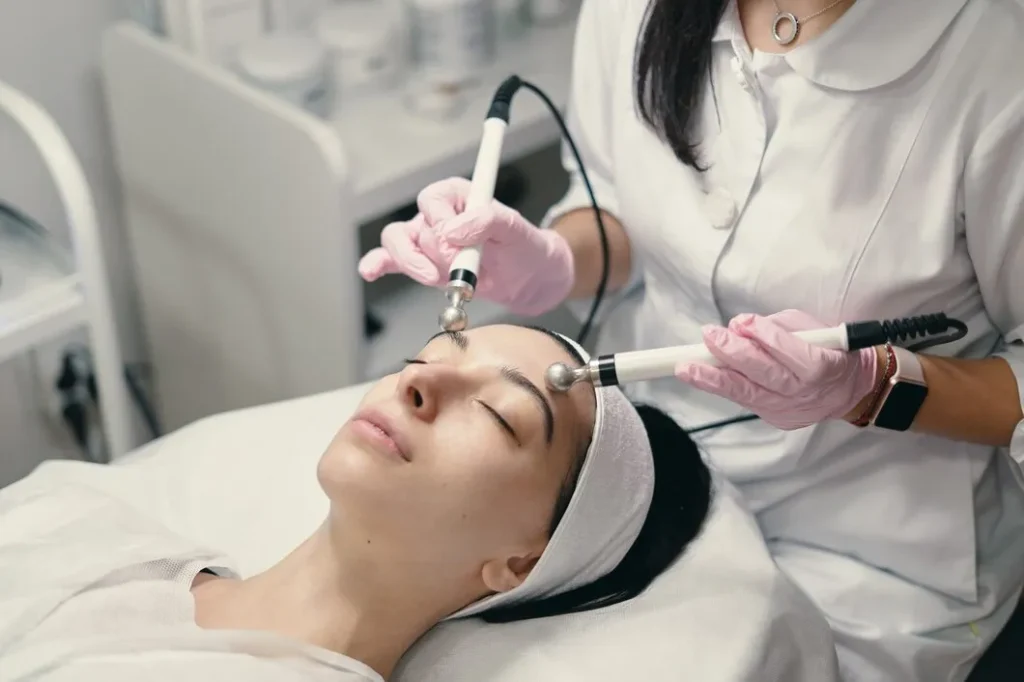
How Monthly Facial Treatment Improves Skin Health
Healthy-looking skin is rarely the result of one dramatic appointment. More often, it comes from a combination of sensible daily care, sun protection and professional treatments selected for what the skin actually needs.
That is where a regular Facial Treatment can have value.
For some people, a monthly appointment helps keep congestion under control. For others, the main objective is hydration, smoother-looking texture or managing the dull appearance that develops after weeks of heat, air conditioning, makeup, sunscreen and environmental exposure.
But there is an important point that is often missing from beauty advice: a monthly facial is not automatically right for every person or every treatment.
Skin does not operate according to a universal 30-day appointment calendar. Treatment frequency should depend on skin type, sensitivity, active products being used at home, the intensity of the procedure and the concern being addressed.
At HMS Fat Freezing in Dubai, the more useful approach is therefore not “everyone needs the same facial once a month.” It is to assess the skin, choose the appropriate Facial Treatment, monitor how it responds and adjust future sessions accordingly.
This guide explains what consistent professional skincare can realistically do, what it cannot do and how to make monthly appointments genuinely useful rather than simply repetitive.
Why Skin Health Needs Ongoing Care
Skin is more than the visible surface we see in the mirror. It performs an essential barrier function, helping protect the body from environmental threats while also participating in temperature regulation and sensation.
That barrier is constantly exposed to:
- ultraviolet radiation;
- heat;
- sweat;
- cosmetics;
- cleansing products;
- pollution and environmental debris;
- shaving;
- friction;
- dry indoor air;
- active skincare ingredients.
Dubai adds another practical challenge: people may move repeatedly between extreme outdoor heat and heavily air-conditioned interiors.
A good Facial Treatment does not replace the skin’s natural functions. Instead, professional care can help address surface-level issues such as accumulated debris, dehydration, uneven-feeling texture and congestion while giving a trained practitioner an opportunity to reassess how the skin is behaving.
The important word is maintenance.
Think of professional skincare less like repairing a broken object and more like servicing something that changes continuously.
What Does a Monthly Facial Treatment Actually Do?
Different facial procedures work differently, so claims should never be generalized across every treatment.
A typical professional session may involve some combination of:
- skin assessment;
- cleansing;
- controlled exfoliation;
- extraction where appropriate;
- hydration;
- serum or topical product application;
- calming or finishing products;
- sun-protection advice.
HMS Fat Freezing’s HydraFacial service, for example, combines cleansing, exfoliation, extraction and hydration as a multi-step treatment for dull or congested skin.
A well-planned monthly Facial Treatment can therefore function as a checkpoint as much as a procedure.
Your practitioner can ask:
- Has oiliness increased?
- Is the skin becoming dehydrated?
- Are new products causing irritation?
- Has pigmentation become more noticeable?
- Are pores more congested?
- Is the previous treatment still appropriate?
That feedback loop is one of the biggest differences between intelligent long-term skincare and repeatedly booking the same facial because it worked once.
1. Regular Deep Cleansing Can Help Manage Surface Build-Up
Daily cleansing is essential, but the goal should never be to strip the skin aggressively.
Professional cleansing can be particularly useful for people whose routine includes:
- daily sunscreen;
- long-wear makeup;
- frequent exercise;
- high sebum production;
- occupational exposure to dust;
- regular outdoor activity.
A monthly Facial Treatment may allow the practitioner to perform a more methodical cleanse and determine whether congestion needs to be addressed.
However, “deep cleansing” should not be interpreted as scrubbing harder.
The American Academy of Dermatology advises gentle skin care and notes that aggressive rubbing, picking or squeezing can irritate facial skin.
Practical Example
Consider someone with oily skin who notices blackheads around the nose.
Their instinct might be to:
- scrub every morning;
- use strong acids every night;
- squeeze visible pores;
- book aggressive extractions.
That combination may simply produce more irritation.
A more sensible Facial Treatment strategy may involve controlled cleansing and extraction where appropriate, followed by a gentle home routine rather than escalating every step at once.
2. Controlled Exfoliation Can Improve the Look and Feel of Skin
Dead cells naturally accumulate at the skin’s surface. Exfoliation can help remove some of this material, leaving skin feeling smoother and sometimes making the complexion appear brighter.
But exfoliation is also an area where “more” can easily become “too much.”
The American Academy of Dermatology specifically recommends choosing exfoliation methods according to skin type and using them gently to avoid damage. People with dry, sensitive or acne-prone skin may tolerate some methods poorly.
A professional Facial Treatment has an advantage when exfoliation intensity can be adjusted rather than performed according to a generic product instruction.
The Monthly Advantage Is Not “Peel More Often”
The value of regular professional review is actually the opposite.
If skin looked irritated after the previous appointment, the next session should not automatically repeat the same intensity.
Treatment can be reduced, changed or postponed.
That adaptive approach is more valuable than rigid scheduling.
3. Facial Treatment Can Support Better Hydration
Hydration is one of the fastest ways to change how skin looks and feels.
Dehydrated skin may appear:
- dull;
- tight;
- rough;
- less plump;
- more visibly lined.
Professional hydration-focused facials can combine gentle cleansing with hydrating topical products and serums.
HMS Fat Freezing’s HydraFacial service incorporates a hydration phase after cleansing, exfoliation and extraction.
Importantly, the benefit of one Facial Treatment should be supported between appointments.
The NHS explains that emollients help hydrate skin and reduce moisture loss by creating a protective surface film.
For a person with persistently dry skin, therefore, a hydrating facial followed by four weeks of harsh cleansing is unlikely to produce an ideal result.
Professional treatment and home care should reinforce each other.
4. Regular Appointments Make Congestion Easier to Track
Not every blemish is the same.
A clogged pore, occasional breakout, inflammatory acne and persistent acne disorder require different levels of care.
One benefit of consistent Facial Treatment appointments is the ability to observe patterns.
For example:
Month 1: congestion is concentrated around the nose and chin.
Month 2: the nose improves, but inflammatory breakouts increase around the jaw.
Month 3: irritation appears after a new retinoid or exfoliating product was introduced.
That information matters.
Rather than escalating professional exfoliation because “acne is worse,” the practitioner may recognize that the home routine needs review or that medical assessment is more appropriate.
Professional facials should not be presented as a replacement for evidence-based acne treatment. NHS guidance, for example, lists established acne treatments including topical retinoids, benzoyl peroxide and other therapies depending on severity.
Persistent, painful, scarring or severe acne should be evaluated by an appropriately qualified medical professional.
5. Monthly Facial Treatment Can Create More Consistent Skin Monitoring
This is one of the less discussed benefits of a routine.
People often change skincare products based on how their face looks on a single day.
That makes it difficult to understand what is working.
Imagine changing:
- cleanser on Monday;
- exfoliating acid on Wednesday;
- serum on Friday;
- moisturiser next week;
- professional facial the week after.
If irritation appears, which change caused it?
A planned Facial Treatment schedule can encourage more disciplined observation.
At HMS Fat Freezing, its published information about treatments for fine lines and wrinkles states that facial care begins with a consultation assessing skin type, concerns and longer-term goals.
That consultation mindset is more valuable than simply performing identical steps every month.
The HMS “Baseline → Response → Adjustment” Approach
A useful long-term framework is:
Baseline
What does your skin look and feel like now?
Record concerns such as:
- dehydration;
- oiliness;
- uneven texture;
- congestion;
- sensitivity;
- visible pigmentation.
Response
How did the skin react during the days after the Facial Treatment?
Did it feel:
- calm?
- dry?
- smoother?
- irritated?
- more hydrated?
- unusually sensitive?
Adjustment
Change the next session based on the response.
This prevents monthly skincare from becoming automatic.
6. It Can Improve the Appearance of Dull Skin
“Dullness” is not a medical diagnosis.
It usually describes skin that looks less bright, less smooth or less fresh than someone would like.
Several factors can contribute, including:
- surface cell accumulation;
- dehydration;
- sun exposure;
- inconsistent skincare;
- lack of sleep;
- rough texture.
A cleansing, exfoliating and hydrating Facial Treatment may temporarily improve smoothness and radiance by addressing some of these surface factors.
HMS Fat Freezing describes HydraFacial as a treatment designed to refresh dull or congested skin through cleansing, exfoliation, extraction and hydration.
The realistic goal should be improved appearance and maintenance, not promises of permanent “glowing skin.”
7. Facials Can Complement — But Never Replace — Sun Protection
This deserves special emphasis in Dubai.
No facial can compensate for repeated unprotected UV exposure.
The American Academy of Dermatology recommends broad-spectrum, water-resistant sunscreen with SPF 30 or higher and identifies daily sun protection as a fundamental part of maintaining healthier-looking skin.
So if your goal is smoother-looking, more even skin, think of the relationship as:
Professional Facial Treatment + Daily Home Care + Sun Protection
not:
Facial Treatment instead of sunscreen.
Dubai Example
A client receives a brightening facial on Saturday.
On Sunday they drive, walk outdoors and spend time near windows without applying appropriate sunscreen.
Then they repeat this pattern for the next month.
The professional session cannot logically undo weeks of accumulated UV exposure.
This is why the most valuable skincare advice sometimes happens after the appointment.
8. Regular Facial Treatment Can Make Home Skincare More Rational
More products do not necessarily mean better skin.
People frequently arrive at clinics using:
- two cleansers;
- multiple exfoliating acids;
- retinol;
- vitamin C;
- scrubs;
- masks;
- brightening products;
- spot treatments.
The problem may not be a lack of skincare. It may be too much skincare without a clear purpose.
A recurring Facial Treatment appointment creates an opportunity to simplify.
The Four-Question Product Test
For every product in your routine, ask:
- What is this supposed to do?
- Does my skin currently need that?
- Is another product already doing the same job?
- Is it causing dryness, burning or irritation?
If you cannot answer the first question, the product may not deserve a permanent place in your routine.
9. The Right Facial Can Change With the Seasons and Lifestyle
Your skin in January may not behave exactly like your skin in August.
Likewise, changes in:
- work environment;
- travel;
- exercise;
- medications;
- hormonal circumstances;
- sleep;
- skincare products;
can influence how skin behaves.
That is why a monthly Facial Treatment should not be viewed as a fixed recipe.
One month may prioritize hydration.
Another may focus on congestion.
Another may require a gentler session because the skin is sensitized.
HMS Fat Freezing currently discusses multiple skincare approaches, including treatments for glowing skin, oily or acne-prone skin, fine lines and HydraFacial.
The best treatment is therefore the one that matches the current condition of the skin — not simply the most popular service.
Facial Treatment Options Compared
| Type of Facial Treatment | Primary Goal | Exfoliation Level | Hydration Focus | Best Considered For |
|---|---|---|---|---|
| Classic Facial | General maintenance | Mild–moderate | Moderate | Routine cleansing and relaxation |
| HydraFacial | Multi-step cleansing and hydration | Controlled | High | Dull or congested skin |
| Deep Cleansing Facial | Congestion management | Variable | Moderate | Oily/congested skin |
| Hydrating Facial | Moisture support | Usually gentle | Very High | Dry/dehydrated-feeling skin |
| Brightening Facial | Improve visible radiance | Variable | Moderate–High | Dull or uneven-looking complexion |
| Sensitive-Skin Facial | Calm and support comfort | Minimal | High | Easily irritated skin |
| Acne-Focused Facial | Surface congestion support | Carefully selected | Variable | Selected acne-prone clients |
HMS Fat Freezing has also published a detailed comparison of HydraFacial vs Classic Facial, which can help clients understand why one Facial Treatment may suit a particular concern better than another.
Is Once a Month the Ideal Facial Treatment Frequency?
Not necessarily.
This is where responsible skincare advice differs from marketing claims.
The ideal interval depends on:
- treatment type;
- skin sensitivity;
- existing skin conditions;
- active ingredients used at home;
- recent procedures;
- treatment intensity;
- individual response.
Monthly appointments can be a convenient maintenance rhythm for appropriate treatments, but there is no universal medical rule requiring everyone to receive a facial every four weeks.
When Monthly May Make Sense
A roughly monthly Facial Treatment may be appropriate when:
- treatments are gentle;
- the skin tolerates them well;
- there is ongoing congestion or dehydration;
- regular professional monitoring is useful;
- the practitioner recommends the interval.
When More Time May Be Needed
Longer intervals may be appropriate if:
- the treatment is more intensive;
- the skin is irritated;
- barrier function appears compromised;
- another procedure was recently performed;
- prescription skincare is creating sensitivity;
- a dermatologist advises against treatment.
Consistency should never mean ignoring how the skin responds.
Pros and Cons of Monthly Facial Treatment
Pros
More Consistent Maintenance
Regular appointments can prevent skincare from becoming purely reactive.
Professional Skin Assessment
Changes in hydration, congestion, texture and sensitivity can be noticed over time.
Controlled Exfoliation
Professional assessment may help reduce the temptation to over-exfoliate at home.
Hydration Support
Hydration-focused sessions can temporarily improve softness, comfort and visible plumpness.
Customized Approach
The Facial Treatment can be adjusted as skin needs change.
Better Routine Discipline
Scheduled appointments can encourage clients to maintain cleansing, moisturising and sunscreen habits between sessions.
Cons
Monthly Is Not Appropriate for Everyone
Sensitive or recently treated skin may require longer recovery periods.
Over-Treatment Is Possible
Too much exfoliation or combining multiple intensive procedures can contribute to irritation.
Results Depend on Home Care
Professional treatment cannot compensate for four weeks of poor skincare habits.
Facials Do Not Treat Every Skin Disorder
Persistent acne, unexplained rashes, suspicious lesions or significant inflammation require appropriate medical evaluation.
Cost Accumulates
Routine professional treatments become an ongoing expense, so each session should have a clear purpose.
A More Useful 30-Day Skin Maintenance Plan
Instead of thinking that your Facial Treatment does all the work, consider a four-week cycle.
Week 1: Treatment and Recovery
After the session:
- follow aftercare instructions;
- avoid unnecessary new products;
- use gentle cleansing;
- moisturize appropriately;
- maintain sunscreen.
Observe how the skin responds.
Week 2: Stabilize
Maintain a consistent home routine.
Do not add extra exfoliation merely because the skin looked good after treatment.
Week 3: Evaluate
Ask:
- Is hydration lasting?
- Is congestion returning?
- Has sensitivity developed?
- Are breakouts changing?
- Is the home routine comfortable?
Week 4: Reassess Before Repeating
Do not automatically book the identical procedure.
The next Facial Treatment should reflect what happened during the preceding weeks.
That small change — treating the appointment as part of a feedback cycle — can make professional skincare much more purposeful.
Expert Recommendations From HMS Fat Freezing
1. Start With Your Skin Concern, Not the Treatment Name
Do not select a facial because it is trending.
Start by identifying whether your main concern is:
- dehydration;
- congestion;
- oiliness;
- uneven-looking texture;
- dullness;
- sensitivity;
- visible ageing.
Then choose the treatment.
HMS Fat Freezing’s guide to facial treatments for fine lines and wrinkles similarly emphasizes consultation and matching treatments to skin condition and goals.
2. Do Not Confuse Tingling With Effectiveness
A powerful sensation is not proof that a Facial Treatment is working.
Burning, prolonged redness or irritation should not be treated as a desirable sign simply because a procedure is labelled “active.”
Gentle treatment can still be effective.
3. Be Careful With Home Exfoliation
If you already use retinoids, acids, acne products or exfoliating treatments at home, tell your practitioner.
The AAD advises tailoring exfoliation to skin type and being cautious because exfoliation can worsen dryness or irritation when performed incorrectly.
4. Match the Facial to Your Skin, Not Someone Else’s Results
The treatment that transformed a friend’s skin may not be appropriate for yours.
HMS Fat Freezing’s guide to facials for oily and acne-prone skin discusses treatment choices according to oiliness, congestion and individual skin needs rather than treating every complexion identically.
5. Never Skip Daily Sun Protection
If improving skin appearance is the goal, sun protection needs to be part of the plan.
AAD dermatologists recommend broad-spectrum, water-resistant SPF 30 or higher when exposed to daylight.
6. Know When a Facial Is Not the Answer
Professional cosmetic care has limits.
Seek appropriate medical evaluation for:
- severe or painful acne;
- persistent inflammatory rashes;
- sudden unexplained pigmentation;
- skin infections;
- suspicious or changing lesions;
- persistent reactions to skincare products.
A responsible Facial Treatment provider should recognize when not to perform a cosmetic procedure.
For clients deciding between different professional options, HMS Fat Freezing’s guide to skin treatments for glowing skin provides additional information on HydraFacial and other skin-rejuvenation approaches.
You can also review the clinic’s detailed HydraFacial guide for Dubai to understand the cleansing, exfoliation, extraction and hydration stages before choosing a session.
Authoritative Skin-Health Resources
For evidence-based information beyond cosmetic treatment advice, these resources are useful:
American Academy of Dermatology — Basic Skin Care
Dermatologist-reviewed guidance covering cleansing, moisturising, exfoliation and everyday skin-care practices.
American Academy of Dermatology — Safe Exfoliation
Useful for understanding why exfoliation method and frequency should be selected according to skin type rather than aggressively applied to everyone.
American Academy of Dermatology — Sunscreen Guidance
Explains dermatologist recommendations for broad-spectrum, water-resistant SPF 30+ sunscreen.
NCBI — How Does Skin Work?
A useful medical overview of the skin’s structure and protective barrier functions.
NHS — Emollients and Skin Hydration
Provides medical guidance about moisturising treatments and how they help reduce water loss from dry skin.
Frequently Asked Questions About Facial Treatment
1. Is it good to get a Facial Treatment every month?
For many people, a gentle monthly facial can work as a practical maintenance schedule, particularly for hydration, surface congestion and professional skin monitoring. However, there is no universal rule that everyone should receive treatment every month. Frequency should depend on skin type, procedure intensity and how your skin responded to the previous appointment.
2. How long do facial results usually last?
It varies according to the Facial Treatment, skin condition and home care.
Improvements in hydration, smoothness and radiance may be noticeable soon after treatment but are not permanent. Daily cleansing, moisturising, sunscreen and suitable skincare products strongly influence how skin looks between appointments.
3. Which Facial Treatment is best for glowing skin?
There is no single best option for everyone.
If dullness is associated with dehydration and surface build-up, a treatment combining cleansing, controlled exfoliation and hydration may be useful. HydraFacial is one such option offered by HMS Fat Freezing.
If pigmentation, acne or another specific condition is responsible for uneven skin appearance, a different approach may be required.
4. Can monthly facials help with acne?
Professional facials may help manage surface congestion in selected acne-prone clients, but they are not a substitute for medical acne treatment.
Persistent, inflammatory, painful or scarring acne should be assessed by a qualified healthcare professional. Evidence-based medical treatments may include topical or oral therapies depending on severity.
5. Can a Facial Treatment reduce large pores permanently?
No facial can permanently erase pores because pores are normal anatomical structures.
Some treatments may make them appear less noticeable by reducing surface congestion and improving texture. The AAD notes that exfoliation may make pores appear less visible but advises gentle care because irritation can make their appearance worse.
6. Is HydraFacial better than a classic facial every month?
Not automatically.
A HydraFacial offers machine-assisted cleansing, exfoliation, extraction and hydration, while a classic facial may use more traditional manual techniques. HMS Fat Freezing’s comparison explains that the choice should depend on skin concerns, desired results and treatment preferences.
The “better” Facial Treatment is the one appropriate for your skin.
7. What should I avoid after a facial?
Aftercare varies according to the procedure.
Generally, clients may be advised to keep skincare gentle, avoid unnecessary irritation and use appropriate sun protection. If exfoliation or active ingredients were used during your appointment, follow the provider’s specific instructions before restarting acids, retinoids or other potentially irritating products.
8. Can sensitive skin have a monthly Facial Treatment?
Possibly, but the procedure needs to be selected carefully.
Sensitive skin may require gentler cleansing, minimal exfoliation and fewer potentially irritating ingredients. Rosacea-prone or persistently reactive skin deserves particular caution; the AAD recommends gentle skincare for rosacea because irritation can trigger flares.
9. Can I combine retinol with regular facials?
Possibly, but tell your practitioner exactly what you use.
Retinoids can influence skin sensitivity and exfoliation. Combining strong home actives with aggressive professional exfoliation may increase irritation risk. Timing and treatment intensity therefore need to be considered individually.
If you use prescription medication, follow your prescriber’s advice.
10. At what age should I start regular facial treatments?
There is no universal age at which everyone needs professional facials.
Good basic skincare — gentle cleansing, suitable moisturising and daily sun protection — remains more important than reaching a specific age. A Facial Treatment should be introduced when there is a clear skincare goal and an appropriate treatment for that person’s skin rather than simply because of age.
Conclusion: Consistency Matters, but Personalization Matters More
The biggest mistake in monthly skincare is assuming that consistency means repeating the same procedure indefinitely.
Healthy skin changes.
One month it may need hydration.
Another month it may be congested.
After travel, increased sun exposure, a new skincare product or a period of irritation, it may need a much gentler approach.
That is why the greatest value of a regular Facial Treatment is not simply the cleansing, exfoliation or serum applied during the appointment. It is the opportunity to build a continuous maintenance system:
Assess → Treat → Protect → Observe → Adjust
Professional skincare should also remain realistic.
Facials cannot permanently shrink pores, replace sunscreen, cure every form of acne or compensate for an irritating home routine. What they can do, when selected carefully, is support cleaner-feeling, smoother-looking and better-hydrated skin while providing regular professional oversight of your skincare approach.
For Dubai clients dealing with heat, frequent air conditioning, daily sunscreen, cosmetics, oiliness or dehydration, that structured approach can be particularly useful.
The goal should never be to perform the strongest possible treatment every month.
The goal is to give the skin the right treatment at the right time — and enough time to respond before deciding what comes next.
Book a Facial Treatment at HMS Fat Freezing Dubai
For a personalized skin consultation and professional Facial Treatment in Dubai, contact:
HMS Fat Freezing
Address: HAMSAH BUILDING, Office 407 & 408, Block-A, Business Center – Beside Ansar Gallery – Dubai
Phone: +971 4 583 2989
Email: info@hmsfatfreezing.com
Website: https://hmsfatfreezing.com/