
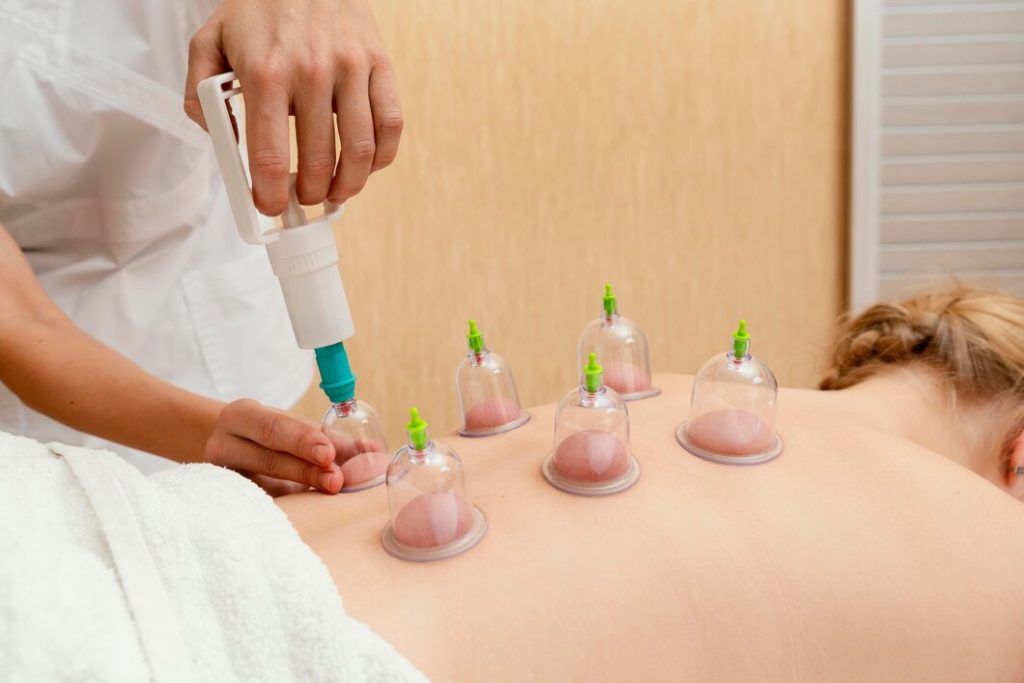
Hijama Therapy for Stress and Muscle Recovery: A Complete Guide to Natural Wellness
Modern lifestyles often place significant demands on both the mind and body. Long working hours, repetitive movements, demanding exercise routines, prolonged sitting, emotional stress, and inadequate recovery can all contribute to muscle tightness, fatigue, and reduced overall well-being. While conventional medical treatments remain essential for many conditions, an increasing number of individuals are also exploring complementary therapies that may support relaxation and recovery.
Among these approaches, Hijama Therapy for Stress and Muscle Recovery has gained growing attention for its long history and its role in holistic wellness. Practiced in various cultures for centuries, Hijama—commonly known as wet cupping therapy—is used by many people as part of a broader health and wellness routine. Today, trained practitioners perform the procedure in regulated clinical environments using modern hygiene standards while respecting traditional therapeutic principles.
At HMS Fat Freezing, Hijama therapy is provided as part of a patient-centered wellness approach. Every session begins with an assessment of individual concerns and wellness goals, allowing practitioners to tailor treatment recommendations while prioritizing safety, comfort, and evidence-informed care.
Contact HMS Fat Freezing for Hijama Therapy
What Is Hijama Therapy?
Hijama is a traditional therapeutic practice that involves placing specially designed cups on selected areas of the body to create controlled suction. In wet cupping, superficial skin incisions are made by trained practitioners before a second suction phase removes a small amount of blood.
Historically, Hijama has been practiced in regions across the Middle East, Asia, and parts of Europe as part of traditional healing systems. Today, it is commonly used as a complementary therapy by individuals seeking support for muscle recovery, stress management, and general wellness.
Professional Hijama sessions are performed using:
- Sterile single-use instruments
- Medical-grade cups
- Strict infection-control procedures
- Carefully selected treatment points
- Individualized treatment protocols
When performed by qualified professionals in an appropriate clinical setting, patient safety and hygiene remain the highest priorities.
Contact HMS Fat Freezing for Hijama Therapy
Understanding Stress and Muscle Recovery
Before exploring how Hijama Therapy for Stress and Muscle Recovery is used, it is helpful to understand how stress and physical activity affect the body.
Physical Stress
Exercise, manual labor, repetitive movements, and prolonged sitting can lead to:
- Muscle tightness
- Reduced flexibility
- Temporary muscle soreness
- Localized tension
- Fatigue
These responses are a normal part of physical activity, but adequate recovery is essential to support overall performance and well-being.
Contact HMS Fat Freezing for Hijama Therapy
Emotional Stress
Stress affects more than mental health. Chronic emotional strain may influence:
- Sleep quality
- Muscle tension
- Energy levels
- Concentration
- General sense of well-being
Many individuals seek complementary wellness practices that promote relaxation alongside healthy lifestyle habits.
Recovery Matters
Recovery allows the body to adapt following physical or mental demands. A comprehensive recovery plan may include:
- Adequate sleep
- Balanced nutrition
- Hydration
- Physical activity
- Stretching
- Stress management techniques
- Professional wellness therapies where appropriate
Hijama is often incorporated into this broader recovery strategy rather than viewed as a standalone solution.
How Hijama Therapy Works
Although research into Hijama continues to evolve, several physiological mechanisms have been proposed to explain why many individuals report positive experiences following treatment.
The therapy combines:
- Controlled suction
- Gentle skin stimulation
- Localized tissue response
- Traditional therapeutic principles
The suction temporarily lifts superficial tissues, increasing local mechanical stimulation. Many practitioners believe this process may contribute to relaxation and a feeling of reduced muscle tightness, although individual responses vary.
Importantly, Hijama should not be viewed as a replacement for medical diagnosis or treatment of underlying health conditions.
Potential Benefits of Hijama Therapy for Stress and Muscle Recovery
Many individuals include Hijama Therapy for Stress and Muscle Recovery as part of a holistic wellness routine. While experiences differ from person to person and scientific evidence continues to develop, commonly reported benefits include improved relaxation and a subjective sense of muscular comfort.
1. Supports Relaxation
One of the primary reasons people seek Hijama therapy is to help unwind after periods of prolonged stress.
Patients often describe feeling:
- More relaxed
- Mentally refreshed
- Less physically tense
- Better able to rest after treatment
The calm clinical environment and personalized care may also contribute to this experience.
2. Helps Reduce Muscle Tightness
Athletes, office workers, and physically active individuals commonly experience muscle stiffness.
Hijama is frequently used to target areas such as:
- Neck
- Shoulders
- Upper back
- Lower back
- Calves
- Thighs
Many patients report a feeling of improved mobility and reduced tightness after treatment.
3. Encourages Recovery After Exercise
Exercise places temporary stress on muscles and connective tissues.
Some individuals choose Hijama sessions during recovery periods to complement:
- Stretching
- Massage
- Physiotherapy
- Hydration
- Nutrition
It should be considered one component of a comprehensive recovery plan.
4. Promotes a Sense of Well-Being
Wellness involves both physical and emotional health.
Many people report feeling:
- Calmer
- More balanced
- Better rested
- More energized
While these experiences are subjective and vary between individuals, they contribute to Hijama’s popularity within holistic wellness programs.
5. Complements an Active Lifestyle
Hijama is often chosen by:
- Recreational athletes
- Fitness enthusiasts
- Busy professionals
- Individuals managing demanding schedules
- People interested in preventive wellness practices
Rather than replacing healthy habits, the therapy is typically integrated into an overall lifestyle focused on recovery and self-care.
Who May Benefit from Hijama Therapy?
Although suitability varies from person to person, Hijama therapy may be considered by individuals seeking complementary wellness support for:
Muscle Tightness
People who experience muscular discomfort related to daily activities or exercise may discuss Hijama as part of their broader recovery routine.
Physically Active Individuals
Those involved in regular fitness training, running, cycling, strength training, or recreational sports often prioritize recovery strategies to maintain performance and reduce muscle fatigue.
Office Professionals
Long hours of desk work may contribute to stiffness in the neck, shoulders, and back. Complementary therapies such as Hijama are sometimes explored alongside ergonomic improvements and stretching exercises.
Individuals Experiencing Everyday Stress
People looking to support relaxation and overall well-being may choose Hijama as part of a holistic wellness plan that also includes adequate sleep, healthy nutrition, and regular physical activity.
What Happens During a Professional Hijama Session?
Every patient begins with a consultation to determine whether Hijama is appropriate for their individual circumstances.
A typical session may include:
Initial Assessment
The practitioner reviews:
- Medical history
- Current concerns
- Lifestyle factors
- Previous wellness treatments
- Individual goals
Preparation
Treatment areas are cleansed thoroughly, and sterile single-use equipment is prepared according to strict clinical hygiene standards.
Application of Cups
Specialized cups are placed on carefully selected treatment points to create controlled suction.
For wet cupping procedures, trained practitioners perform superficial skin incisions using sterile instruments before applying the cups again.
Completion and Aftercare
Following treatment, the practitioner provides personalized aftercare guidance, including recommendations regarding hydration, activity levels, and skin care to support the recovery process.
Practical Applications of Hijama Therapy for Stress and Muscle Recovery
While every individual’s health needs are different, Hijama Therapy for Stress and Muscle Recovery is often incorporated into broader wellness routines by people seeking natural ways to support recovery, relaxation, and overall physical comfort. Rather than acting as a standalone solution, Hijama is commonly combined with healthy lifestyle habits such as regular exercise, balanced nutrition, adequate hydration, quality sleep, and stress management.
Below are some of the most common situations where patients may choose to include Hijama therapy as part of their wellness plan.
Recovery After Intense Exercise
High-intensity workouts place temporary stress on muscles, tendons, and connective tissues. During recovery, the body naturally repairs microscopic muscle fibers and adapts to training.
Many athletes and fitness enthusiasts schedule Hijama sessions during recovery phases rather than immediately before major competitions.
Common activities include:
- Weight training
- Running
- Football
- Cycling
- Martial arts
- CrossFit
- Swimming
Patients often describe feeling more relaxed and less stiff following treatment, although individual experiences vary.
Office-Related Muscle Tension
Modern office work frequently involves prolonged sitting, computer use, and limited movement throughout the day.
This can contribute to:
- Neck tightness
- Shoulder stiffness
- Upper back discomfort
- Reduced flexibility
- General muscular fatigue
Many professionals incorporate stretching, ergonomic adjustments, massage, and complementary wellness therapies such as Hijama into their self-care routine.
Supporting an Active Lifestyle
Individuals who maintain active lifestyles often prioritize recovery just as much as exercise.
Recovery strategies may include:
- Mobility exercises
- Foam rolling
- Massage
- Adequate hydration
- Protein-rich nutrition
- Quality sleep
- Complementary therapies
Hijama is sometimes selected because it provides dedicated recovery time while encouraging relaxation.
Managing Everyday Stress
Stress influences both mental and physical well-being.
People experiencing demanding schedules may notice:
- Muscle tightness
- Reduced sleep quality
- Physical fatigue
- Mental exhaustion
- General tension
Although Hijama is not a treatment for mental health conditions, many patients report that a professionally delivered session contributes to an overall feeling of relaxation and well-being.
Areas Commonly Treated During Hijama Therapy
Professional practitioners select treatment points based on the individual’s assessment and wellness objectives.
Frequently treated areas include:
Upper Back
The upper back often accumulates muscular tension due to posture, desk work, and repetitive movements.
Shoulders
Shoulders are one of the most common areas for tightness, particularly among office workers and athletes.
Neck
Carefully selected treatment points may help support relaxation around the neck region.
Lower Back
People with physically demanding occupations or prolonged sitting frequently seek complementary wellness therapies targeting this area.
Legs
Athletes sometimes request treatment around:
- Hamstrings
- Calves
- Quadriceps
as part of broader recovery strategies.
Comparison Table
| Feature | Hijama Therapy | Sports Massage | Foam Rolling | Stretching |
|---|---|---|---|---|
| Non-Surgical | ✔ | ✔ | ✔ | ✔ |
| Professional Assessment | ✔ | ✔ | ✘ | Optional |
| Supports Relaxation | High | High | Moderate | Moderate |
| Helps Reduce Muscle Tightness | ✔ | ✔ | ✔ | ✔ |
| Suitable After Exercise | ✔ | ✔ | ✔ | ✔ |
| Home Treatment Possible | ✘ | Limited | ✔ | ✔ |
| Personalized Treatment Areas | ✔ | ✔ | Limited | Limited |
| Requires Professional Practitioner | ✔ | ✔ | ✘ | ✘ |
Integrating Hijama into a Wellness Plan
The best results are often achieved when Hijama therapy is part of a comprehensive approach to health rather than the only recovery strategy.
A balanced wellness routine may include:
Regular Exercise
Consistent physical activity supports cardiovascular health, mobility, and muscle strength.
Proper Nutrition
Protein, healthy fats, vitamins, and minerals all contribute to tissue repair and overall wellness.
Hydration
Adequate water intake supports normal body functions and overall recovery.
Quality Sleep
Sleep is one of the body’s most important recovery processes.
Stress Management
Meditation, breathing exercises, mindfulness, and professional wellness therapies may all contribute to improved quality of life.
Preparing for a Hijama Session
Patients often ask how they should prepare before treatment.
General recommendations may include:
- Drink sufficient water before your appointment.
- Wear comfortable clothing.
- Inform your practitioner about medications or medical conditions.
- Eat a light meal if advised by your healthcare provider.
- Arrive well-rested whenever possible.
Preparation instructions may vary depending on your individual circumstances and the practitioner’s assessment.
Aftercare Following Hijama Therapy
Proper aftercare supports recovery following treatment.
Patients are commonly advised to:
Stay Hydrated
Drinking water after treatment supports general recovery and overall well-being.
Rest if Needed
Some individuals prefer lighter physical activity for the remainder of the day.
Follow Practitioner Guidance
Personalized aftercare recommendations should always take priority, as they are based on your individual assessment.
Monitor the Treatment Area
Temporary skin markings from the cups are expected and usually fade gradually over time. Follow any wound-care instructions provided after wet cupping procedures.
Pros and Cons of Hijama Therapy
Potential Benefits
- Non-surgical wellness approach
- Personalized treatment plans
- May support relaxation and stress management
- Frequently chosen by physically active individuals
- Can complement other recovery strategies
- Performed using sterile single-use equipment in professional clinics
- Minimal downtime for most healthy individuals
- Long history of traditional use across many cultures
Considerations
- Temporary circular skin marks are common after treatment.
- Wet cupping involves superficial skin incisions and requires proper aftercare.
- Not suitable for everyone; certain medical conditions may make the procedure inappropriate.
- Individual responses and experiences vary.
- Hijama should complement—not replace—appropriate medical care for diagnosed health conditions.
Expert Recommendations from HMS Fat Freezing
At HMS Fat Freezing, every Hijama session begins with a detailed consultation to ensure the treatment is appropriate for the individual and aligned with their wellness goals.
Our practitioners recommend:
Prioritize Professional Assessment
Never undergo Hijama without first discussing your medical history, medications, and current health status with a qualified practitioner.
Combine Therapy with Healthy Lifestyle Habits
The greatest long-term benefits are often seen when Hijama is combined with regular exercise, nutritious eating, quality sleep, hydration, and stress management.
Maintain Realistic Expectations
Hijama is a complementary wellness therapy. Individual experiences vary, and results depend on factors such as overall health, lifestyle, and consistency of care.
Choose a Licensed Clinical Environment
Safety should always come first. Professional clinics follow strict hygiene protocols, use sterile single-use instruments, and adhere to infection-control standards.
Follow Personalized Treatment Plans
Rather than following generalized recommendations, work with experienced practitioners who can tailor treatment frequency and aftercare advice to your individual needs.
At HMS Fat Freezing, our goal is to provide safe, patient-centered care that supports overall wellness while maintaining the highest standards of professionalism and clinical hygiene.
Continue Your Wellness Journey with HMS Fat Freezing
If you’re exploring Hijama Therapy for Stress and Muscle Recovery, you may also benefit from other non-surgical wellness and body contouring treatments offered by HMS Fat Freezing. Depending on your health goals, these services can complement a balanced lifestyle and personalized treatment plan.
- Cryolipolysis (Fat Freezing) for Stubborn Fat Reduction
https://hmsfatfreezing.com/ - Body Contouring Treatments for Improved Body Shape
https://hmsfatfreezing.com/ - Skin Tightening Treatments Without Surgery
https://hmsfatfreezing.com/ - Non-Surgical Double Chin Reduction
https://hmsfatfreezing.com/ - Wellness & Recovery Consultation Services
https://hmsfatfreezing.com/
Your practitioner can advise whether combining therapies is appropriate based on your individual goals and medical history.
Trusted Resources for Learning More
For readers who want evidence-based information about complementary therapies, recovery, and general health, the following organizations provide reliable educational resources:
- World Health Organization (WHO) – https://www.who.int/
- National Center for Complementary and Integrative Health (NCCIH) – https://www.nccih.nih.gov/
- Mayo Clinic – https://www.mayoclinic.org/
- National Center for Biotechnology Information (NCBI) – https://www.ncbi.nlm.nih.gov/
- Cochrane Library – https://www.cochranelibrary.com/
These resources can help you better understand complementary therapies, current research, and general wellness recommendations.
Frequently Asked Questions
1. What is Hijama Therapy for Stress and Muscle Recovery?
Hijama is a traditional complementary therapy involving controlled suction and, in wet cupping, superficial skin incisions performed by trained practitioners. Many people choose it as part of a holistic wellness plan to support relaxation and muscle recovery.
2. Is Hijama therapy painful?
Most patients describe the suction sensation as mild pressure. During wet cupping, the superficial incisions are small and generally well tolerated. Individual comfort levels vary.
3. How long does a Hijama session take?
A typical appointment, including consultation, preparation, treatment, and aftercare guidance, usually lasts between 30 and 60 minutes, depending on the treatment plan.
4. How many Hijama sessions will I need?
The number of sessions depends on your individual wellness goals, lifestyle, and practitioner assessment. Some people schedule occasional sessions, while others follow a personalized treatment plan.
5. Can athletes benefit from Hijama therapy?
Many athletes include Hijama as part of their recovery routine alongside stretching, physiotherapy, massage, proper nutrition, and adequate rest. Experiences vary, and it should complement—not replace—evidence-based sports medicine when needed.
6. Are there any side effects?
Temporary circular skin marks, mild tenderness, or slight bruising at the treatment site are common and usually resolve over time. Your practitioner will explain normal post-treatment expectations and aftercare.
7. Who should avoid Hijama therapy?
Hijama may not be suitable for everyone. Individuals with certain medical conditions, bleeding disorders, skin infections, or those taking specific medications should consult a qualified healthcare professional before treatment.
8. What should I do after a Hijama session?
Follow the aftercare instructions provided by your practitioner. General advice may include staying hydrated, allowing your body to rest if needed, keeping the treated area clean, and avoiding strenuous activity for a short period if recommended.
9. Can Hijama replace medical treatment?
No. Hijama is considered a complementary wellness therapy and should not replace medical evaluation, diagnosis, or treatment for health conditions. Always seek professional medical advice for persistent symptoms or concerns.
10. Is Hijama therapy safe?
When performed by trained practitioners in a licensed clinic using sterile, single-use equipment and proper infection-control procedures, Hijama is generally considered a safe complementary therapy for appropriately selected individuals.
Why Choose HMS Fat Freezing?
Choosing the right clinic is essential for any wellness treatment. At HMS Fat Freezing, patient safety, hygiene, and personalized care are central to every Hijama session.
Our approach includes:
- Individual consultations before treatment
- Thorough review of medical history and wellness goals
- Qualified practitioners trained in safe Hijama techniques
- Sterile, single-use instruments and strict infection-control protocols
- Comfortable clinical environment
- Clear aftercare instructions and ongoing patient support
Rather than offering standardized treatments, we tailor each session to the patient’s unique needs and expectations.
Our Commitment to Evidence-Based, Patient-Centered Care
At HMS Fat Freezing, we recognize that complementary therapies should be integrated responsibly within an overall healthcare and wellness plan. Our recommendations are informed by current knowledge, clinical best practices, and each patient’s individual circumstances.
During your consultation, our team discusses:
- Your current health status
- Lifestyle and recovery goals
- Suitability for Hijama therapy
- Expected treatment experience
- Personalized aftercare guidance
- Whether additional wellness services may be appropriate
This patient-focused approach encourages informed decision-making and realistic expectations while maintaining the highest standards of professional care.
Conclusion
Hijama Therapy for Stress and Muscle Recovery continues to be valued by many individuals seeking a complementary approach to relaxation, muscle recovery, and overall well-being. When combined with healthy lifestyle habits such as balanced nutrition, regular exercise, quality sleep, hydration, and stress management, Hijama can become a meaningful part of a comprehensive wellness routine.
The key to a positive experience lies in choosing a qualified clinic that prioritizes hygiene, individualized assessments, and evidence-informed care. Because every person’s health profile and recovery goals are unique, professional guidance is essential to determine whether Hijama is an appropriate option.
At HMS Fat Freezing, our experienced practitioners are committed to delivering safe, personalized care in a professional clinical environment. Through detailed consultations, customized treatment plans, and ongoing support, we help patients explore holistic wellness options with confidence while maintaining the highest standards of safety and patient care.
Contact HMS Fat Freezing
HMS Fat Freezing
Address: HAMSAH BUILDING, OFFICE 407 & 408, BLOCK-A, Business Center, Beside ANSAR GALLERY, Dubai, United Arab Emirates
Phone: +971 4 583 2989
Email: info@hmsfatfreezing.com
Website: https://hmsfatfreezing.com/