
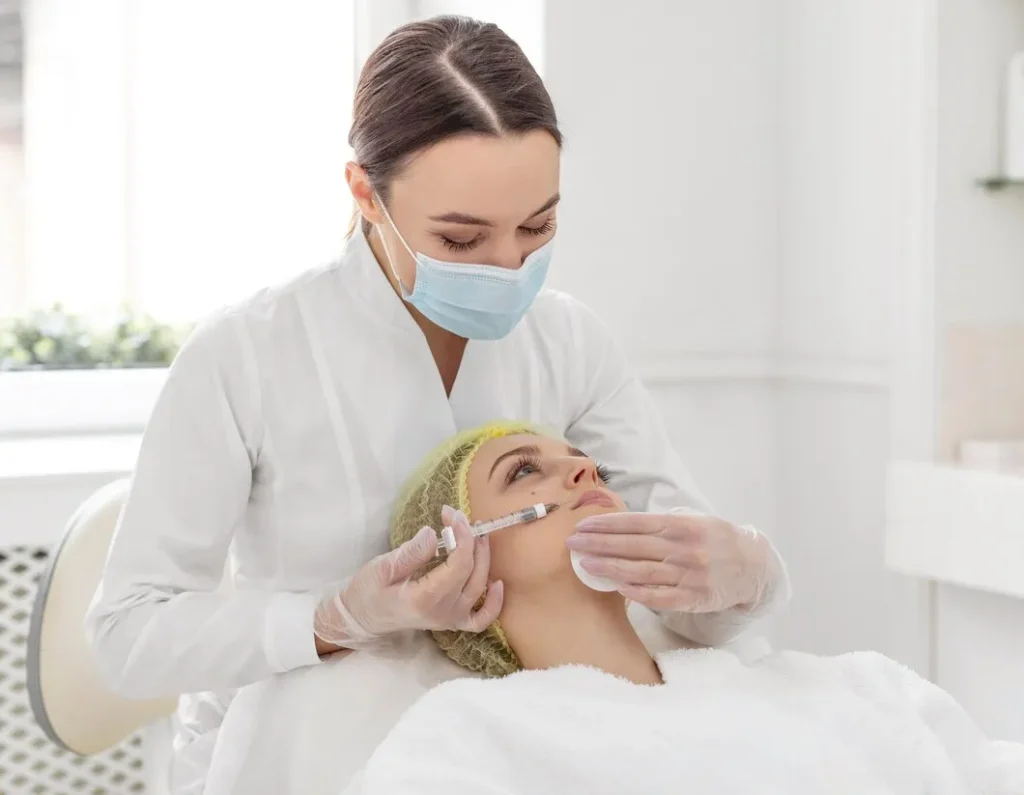
Best Skin Treatments for Dry and Dehydrated Skin: Expert Guide from HMS Fat Freezing Dubai
Dryness that returns an hour after applying moisturiser, foundation that suddenly settles into fine lines, or skin that feels tight despite looking slightly oily are all signs that your skincare problem may require more than another jar of cream.
Finding the Best Skin Treatment begins with understanding what your skin is actually missing.
Dry and dehydrated skin are often discussed as though they are the same condition. They are not. Dry skin generally produces too little sebum, the natural oil that helps lubricate and protect the skin. Dehydrated skin, meanwhile, describes skin that lacks adequate water and can occur in people with dry, combination or even oily skin. Cleveland Clinic similarly describes dry skin as being associated with insufficient sebum production, while medical sources note that dryness can involve loss of moisture and disruption of normal skin comfort.
For Dubai residents, the situation can be particularly frustrating. Long periods in air-conditioned environments, repeated transitions between indoor cooling and outdoor heat, sun exposure, aggressive cleansing and unsuitable active ingredients may all contribute to tightness, rough texture and an impaired skin barrier.
At HMS Fat Freezing, the goal when choosing the Best Skin Treatment is therefore not simply to make the face look glossy for a day. The more useful approach is to identify the cause of dryness, improve water retention, support the skin barrier and select professional treatments that match the individual’s current skin condition.
This guide explains how that process works. Best Skin Treatment
Dry Skin vs Dehydrated Skin: What Is the Difference?
Before booking the Best Skin Treatment, determine whether your concern is primarily dryness, dehydration or a mixture of both.
What is dry skin?
Dry skin is usually associated with insufficient natural oils. It may feel:
- Rough or flaky
- Tight after cleansing
- Itchy or uncomfortable
- Less supple than normal
- Easily irritated
- More visibly lined
Environmental conditions, harsh cleansers, long hot showers, ageing and certain skin conditions can contribute to dryness. Mayo Clinic notes that harsh soaps and detergents can strip moisture from the skin, while conditions such as atopic dermatitis and psoriasis may also cause significant dryness.
What is dehydrated skin?
Dehydration is primarily related to inadequate water within the skin rather than simply a shortage of oil.
The skin may appear:
- Dull
- Tired
- Crepey
- Temporarily more lined
- Tight yet oily in certain areas
- Less plump
- Uneven in texture
This distinction matters because applying a heavy oil-based cream to dehydrated, acne-prone skin may not address the real issue.
The Best Skin Treatment for dehydration should focus on improving hydration and reducing transepidermal water loss while respecting the person’s skin type.
Why Dubai’s Climate Can Be Challenging for Skin
Dubai’s environment creates an unusual combination of factors.
People frequently move between extremely warm outdoor conditions and strongly air-conditioned homes, offices, malls and vehicles. Long indoor periods can leave the skin feeling increasingly tight, while outdoor exposure may encourage sweating, repeated cleansing and more frequent use of sunscreen.
The solution is not necessarily aggressive exfoliation.
When the skin already feels tight, stings after cleansing or develops persistent flaking, excessive acids, scrubs or frequent resurfacing treatments may worsen irritation.
The Best Skin Treatment in this situation is often the one that restores balance before introducing stronger corrective procedures.
Signs Your Skin Barrier May Need Attention
Your outer skin barrier plays a major role in retaining water and protecting the deeper layers from environmental stress.
Possible signs of barrier disruption include:
- Flaking
- Persistent dryness
- Redness
- Roughness
- Sensitivity
- Burning or stinging after products
- Sudden intolerance to products you previously used
Cleveland Clinic lists dry or scaly skin, irritation, itching, rough patches and stinging after skincare products among potential signs of a compromised skin barrier.
Someone experiencing several of these symptoms may need a gentler Best Skin Treatment strategy rather than an aggressive peel or resurfacing session.
Best Skin Treatment Options for Dry and Dehydrated Skin
Professional skincare works best when treatment selection is based on the condition of your skin rather than whichever procedure is currently trending online.
Here are some of the options available through HMS Fat Freezing that may form part of a customised hydration and rejuvenation plan.
1. HydraFacial for Deep Hydration
For many people with dull, congested and dehydrated skin, HydraFacial is a strong candidate for the Best Skin Treatment.
The treatment combines multiple stages, generally involving cleansing, exfoliation, extraction and delivery of hydrating solutions.
HMS Fat Freezing describes its HydraFacial approach as combining cleansing, exfoliation, extraction and hydration to help refresh dull or congested complexions.
Unlike harsh manual exfoliation, the objective is to improve skin cleanliness while simultaneously supporting hydration.
This makes HydraFacial particularly interesting when someone has dehydration plus congestion around the nose, chin or forehead.
HydraFacial may be useful for:
- Dehydrated-looking skin
- Dullness
- Rough surface texture
- Mild congestion
- Lack of radiance
- Skin that needs a pre-event refresh
You can explore the detailed HMS guide to the Best HydraFacial in Dubai before deciding whether it is appropriate for your concerns.
HydraFacial isn’t automatically the Best Skin Treatment for every person. Highly irritated skin, active dermatitis or other medical skin problems should be assessed before cosmetic procedures are performed.
2. Skin Booster Treatment
When topical hydration does not provide the plumpness someone wants, skin boosters may be considered as part of a professional treatment plan.
HMS Fat Freezing includes Skin Booster among its professional skin treatments in Dubai, describing it as a non-surgical procedure aimed at rejuvenating the skin from within.
A professional assessment is particularly important because injectable procedures are different from conventional facials and require consideration of suitability, expectations and potential risks.
For appropriately selected clients, a skin booster may be considered when looking for the Best Skin Treatment for:
- Reduced skin plumpness
- Fine dehydration lines
- Tired-looking complexion
- Skin texture concerns
- More intensive rejuvenation goals
It should not be treated as a substitute for daily moisturising, sun protection and barrier-supportive skincare.
3. Collagen Facial Treatment
Dryness can become more noticeable when skin also begins losing firmness and resilience.
A collagen-focused facial may therefore suit someone who wants hydration combined with a more rejuvenating experience.
The Best Skin Treatment for mature dry skin may need to address several concerns simultaneously: dryness, dullness, fine lines and reduced elasticity.
That is where personalised treatment matters more than selecting a facial purely by name.
A consultation can establish whether a hydrating facial, collagen treatment, skin booster or combination strategy makes more sense.
4. Gentle Facial Therapy
Not every dry complexion needs advanced technology.
Sometimes the Best Skin Treatment is a carefully customised facial built around gentle cleansing, controlled exfoliation and hydration without unnecessarily stripping the skin.
A professional facial can help remove surface buildup and allow hydrating products to be applied more effectively.
However, the intensity of exfoliation should reflect the condition of the barrier.
Someone with comfortable yet dull skin may tolerate exfoliation well. Someone whose face is already burning and peeling needs a different approach.
That difference is why HMS Fat Freezing emphasises skin assessment before selecting facial treatments. Its published facial-treatment guidance explains that treatment planning starts by identifying individual concerns rather than using a one-size-fits-all approach.
5. Radio Frequency Facial for Dry, Mature Skin
Radiofrequency treatments are usually considered for concerns such as skin firmness rather than hydration alone.
HMS Fat Freezing explains that its Radio Frequency Facial uses controlled RF energy with the aim of supporting collagen production and improving the appearance of fine lines, laxity and uneven texture.
Therefore, this may be a better Best Skin Treatment candidate when dryness occurs alongside:
- Fine lines
- Early laxity
- Uneven texture
- Loss of firmness
It is less logical to choose RF if your only goal is immediate surface hydration.
A hydrating procedure may take priority first.
6. Chemical Peel — Only When Appropriate
Chemical peels can improve texture, pigmentation and surface irregularities, but they are not automatically the right treatment for someone experiencing significant dryness.
HMS Fat Freezing offers Chemical Peel treatment for concerns including texture, mild scarring, pigmentation and fine wrinkles.
For dehydrated skin with a healthy barrier, controlled exfoliation may sometimes help improve texture.
But if the skin is irritated, cracking or highly sensitive, an aggressive peel may be inappropriate.
The Best Skin Treatment is not the strongest procedure available. It is the procedure that matches the skin’s current tolerance and objectives.
Comparison: Which Treatment Is Best?
| Treatment | Primary Goal | Best Suited For | Hydration Level | Downtime |
|---|---|---|---|---|
| HydraFacial | Cleanse, exfoliate and hydrate | Dehydration, dullness, mild congestion | High | Usually minimal |
| Hydrating/Classic Facial | Restore comfort and moisture | Mild dry or sensitive-feeling skin | Moderate–High | Minimal |
| Skin Booster | Deeper rejuvenation and plumping | Dehydration lines and reduced plumpness | High | Depends on procedure |
| Collagen Facial | Hydration with rejuvenation | Dry, mature or tired-looking skin | Moderate–High | Usually minimal |
| Radio Frequency Facial | Firmness and collagen support | Dryness plus laxity or fine lines | Moderate | Usually limited |
| Chemical Peel | Resurfacing | Texture and pigmentation | Not primarily hydration-focused | Depends on peel strength |
This is why identifying one universal Best Skin Treatment is unrealistic. The most suitable option changes according to barrier health, sensitivity, age, lifestyle and aesthetic goals.
The Three-Layer Hydration Strategy
One useful way to think about dry and dehydrated skin is through three different functions.
Layer 1: Add water
Humectants attract and hold water within the skin.
Common examples include:
- Hyaluronic acid
- Glycerin
The American Academy of Dermatology recommends ingredients including hyaluronic acid and glycerin for supporting hydration in appropriate skincare routines.
Layer 2: Support the barrier
Ingredients such as ceramides help support the skin’s protective barrier.
AAD guidance also identifies ceramides as useful ingredients for maintaining hydrated skin and supporting moisture retention.
Layer 3: Reduce moisture escape
Creams and appropriate occlusive ingredients can help reduce water loss.
For genuinely dry skin, using only lightweight watery serums may not be enough.
This is an important distinction when building the Best Skin Treatment plan. Hydration needs to enter the skin, but it also needs to stay there.
What Should You Do After a Professional Treatment?
Professional treatments can improve skin appearance, but your daily routine strongly influences how long that improvement lasts.
Use a gentle cleanser
Avoid repeatedly washing until your face feels “squeaky clean.”
That sensation can indicate that too much surface oil has been removed.
Moisturise while the skin is slightly damp
AAD recommends applying moisturiser while skin is still damp to help manage dryness.
This small timing change can make a substantial difference.
Avoid excessively hot water
Mayo Clinic notes that dry skin often responds to self-care measures including moisturising and avoiding long hot showers and baths.
Use appropriate sun protection
A hydration programme should not ignore UV protection.
Protecting the skin from additional environmental stress is an important part of maintaining results from the Best Skin Treatment.
Introduce active ingredients carefully
If you use retinoids, exfoliating acids or other strong actives, avoid adding several new products at once.
When irritation develops, simplifying the routine can make it easier to identify the cause.
Pros and Cons of Professional Hydration Treatments
Pros
Fast improvement in appearance:
Some professional treatments can make dehydrated skin appear fresher and smoother after a session.
Customisation:
The Best Skin Treatment can be adjusted according to dryness, congestion, sensitivity and ageing concerns.
Professional skin assessment:
Instead of buying products by trial and error, a consultation can help identify whether your primary concern is dryness, dehydration, pigmentation, congestion or texture.
Combination benefits:
Procedures such as HydraFacial combine more than one skincare step within a single appointment.
Treatment progression:
A professional can change the treatment plan as your skin improves.
Cons
Results require maintenance:
No facial permanently eliminates dryness if daily skincare and environmental triggers remain unchanged.
Not every procedure suits sensitive skin:
Strong exfoliation or energy treatments may be unsuitable during active irritation.
Multiple sessions may be recommended:
Certain aesthetic goals require a series rather than one visit.
Cost is higher than basic home care:
Professional treatments should complement—not replace—a sensible skincare routine.
HMS Fat Freezing Expert Recommendations
Based on the treatment philosophy described across HMS Fat Freezing’s facial and skincare services, several practical principles stand out.
1. Diagnose the concern before treating it
Do not select the Best Skin Treatment simply because a friend had excellent results.
Two people can both complain of “dryness” while having completely different underlying skin conditions.
One may have naturally dry skin. Another may have oily skin dehydrated by over-cleansing.
Their treatment plans should not be identical.
2. Restore hydration before aggressive correction
When skin feels tight, sensitised and uncomfortable, hydration and barrier support should usually become the immediate priority.
Resurfacing, pigmentation correction and advanced rejuvenation can be evaluated once the skin is in a more stable condition.
3. Choose treatments based on goals
For example:
A 25-year-old with oily but dehydrated skin and clogged pores might benefit from a customised HydraFacial approach.
A 42-year-old with dry skin, fine lines and decreasing firmness may need a different combination involving hydration and collagen-focused treatments.
A 55-year-old with severe flaking and persistent irritation should first be assessed for possible underlying dermatological conditions rather than automatically booking an aggressive cosmetic treatment.
This goal-based thinking is far more useful than declaring one procedure the Best Skin Treatment for everybody.
4. Combine clinic care with home maintenance
Someone receiving an excellent facial but continuing to use a harsh cleanser twice daily may quickly lose the benefits.
A simple routine involving gentle cleansing, appropriate moisturisation and sun protection can often outperform a complicated routine containing numerous incompatible active ingredients.
For a broader overview of treatment options, HMS Fat Freezing’s guide to Facial Treatments in Dubai explains how different concerns can guide professional treatment selection.
You can also read the comparison of HydraFacial vs Classic Facial when deciding between technology-assisted hydration and a more traditional facial approach.
When Should You See a Dermatologist?
Cosmetic treatments should not be used to self-treat unexplained or severe skin disease.
Seek qualified medical advice if you experience:
- Persistent cracking or bleeding
- Severe itching
- Widespread redness
- Open sores
- Swelling
- Persistent rash
- Signs of infection
- Sudden unexplained changes
- Dryness that does not improve with appropriate skincare
Mayo Clinic states that although dry skin often improves with self-care, serious skin disease may require prescription treatment.
The Best Skin Treatment is sometimes medical treatment rather than a cosmetic facial.
Authoritative Skin Health Resources
Readers who want to understand dry skin and barrier care in more depth can consult:
- American Academy of Dermatology – How to Choose a Moisturizer
- American Academy of Dermatology – Dermatologists’ Tips for Relieving Dry Skin
- Mayo Clinic – Dry Skin Symptoms and Causes
- Cleveland Clinic – Dry Skin
- MedlinePlus – Dehydration
These resources reinforce an important principle: effective treatment starts by understanding why dryness or dehydration is happening rather than simply masking the symptoms.
Frequently Asked Questions
1. What is the Best Skin Treatment for very dry skin?
The Best Skin Treatment depends on whether your dryness is caused by inadequate natural oils, barrier disruption, environmental exposure or a medical condition. For uncomplicated cosmetic dryness, hydrating facials, appropriate moisturisers and barrier-supporting skincare may help. Persistent cracking, inflammation or severe itching should be assessed medically.
2. What is the Best Skin Treatment for dehydrated skin in Dubai?
For many people, a hydrating facial or HydraFacial may be considered because the treatment combines cleansing with hydration. However, the Best Skin Treatment should be selected after assessing sensitivity, congestion, pigmentation and barrier condition.
3. Can oily skin still be dehydrated?
Yes. Oil and water are different components of healthy skin. Someone can produce substantial sebum while still experiencing insufficient hydration. This often creates confusing symptoms such as an oily T-zone combined with tightness, dullness and fine dehydration lines.
4. Is HydraFacial good for dry skin?
HydraFacial can be useful for some people experiencing dryness or dehydration because hydration is incorporated into the treatment. HMS Fat Freezing describes HydraFacial as combining cleansing, exfoliation, extraction and hydration. The treatment still needs to be adjusted to the individual’s skin condition.
5. How often should I have a hydrating facial?
There is no universal schedule for the Best Skin Treatment. Frequency depends on the treatment, skin sensitivity, home routine and desired outcome. HMS Fat Freezing currently lists HydraFacial as a 60-minute treatment with its own recommended treatment interval on the clinic’s pricing information. Your specialist can recommend timing after evaluating your skin.
6. Can drinking more water cure dry skin?
Adequate hydration is important for overall health, but dry facial skin is not always simply the result of insufficient drinking water. Dry skin can involve inadequate oils and impaired barrier function. Therefore, moisturisers and appropriate skin care are still important even when overall fluid intake is adequate.
7. Which ingredients are good for dehydrated skin?
Hyaluronic acid and glycerin are commonly used humectants, while ceramides support skin-barrier function. AAD guidance discusses these ingredients as useful components of moisturising skincare. The Best Skin Treatment usually combines suitable professional care with appropriate home products.
8. Should I exfoliate dry skin?
Gentle exfoliation may sometimes improve surface texture, but aggressive or frequent exfoliation can aggravate already irritated skin. If your skin burns, cracks or feels extremely sensitive, have it assessed before using strong acids, scrubs or peels.
9. How quickly can dehydrated skin improve?
Temporary tightness and dullness may improve relatively quickly after appropriate hydration, but restoring a stressed skin barrier can require consistent care. The exact timeline depends on the severity of the problem and whether ongoing triggers such as harsh cleansing continue.
10. How do I choose the Best Skin Treatment at HMS Fat Freezing?
Begin with a professional consultation. Explain whether your main concern is tightness, flaking, dullness, sensitivity, fine lines, pigmentation or congestion. HMS Fat Freezing can then determine whether HydraFacial, a collagen-focused facial, skin booster, radiofrequency treatment or another personalised option is more appropriate.
Conclusion: Treat the Cause, Not Just the Dry Appearance
Dry and dehydrated skin may look similar in the mirror, but they do not always require the same solution.
Dry skin often needs support for insufficient oils and a weakened moisture barrier. Dehydrated skin requires improved water balance and moisture retention. Some people experience both simultaneously.
That is why the Best Skin Treatment should not begin with choosing the most expensive facial or copying a skincare trend. It should begin with identifying what your skin lacks.
For someone dealing with dullness and dehydration, HydraFacial may provide an effective combination of cleansing and hydration. Mature dry skin may benefit from hydration combined with collagen-focused rejuvenation. Other clients may be better suited to skin boosters or carefully selected advanced treatments. And when the skin is inflamed, cracked or persistently irritated, medical evaluation may be more appropriate than a cosmetic procedure.
The most effective strategy also extends beyond the treatment room. Gentle cleansing, moisturising while the skin is still slightly damp, appropriate barrier-supporting ingredients and consistent sun protection help preserve improvements between sessions.
At HMS Fat Freezing Dubai, choosing the Best Skin Treatment means matching professional technology and skincare expertise to the condition of your skin rather than forcing every client into the same treatment plan.
When your skin finally receives the combination of water, barrier support and treatment intensity it actually needs, the goal becomes more meaningful than temporary glow: healthier-looking, smoother and more comfortable skin that is easier to maintain.
Contact HMS Fat Freezing Dubai
HMS Fat Freezing
Address: HAMSAH BUILDING, OFFICE 407 & 408, BLOCK-A, Business Center – beside ANSAR GALLERY – Dubai, United Arab Emirates
Phone: +971 4 583 2989
Email: info@hmsfatfreezing.com
Website: https://hmsfatfreezing.com/
Book a consultation with HMS Fat Freezing to discuss the Best Skin Treatment for your skin type, current condition and aesthetic goals.